Life on the Reserve: Rafiki Style
What to ExpectStudents live close to the land they are learning from.
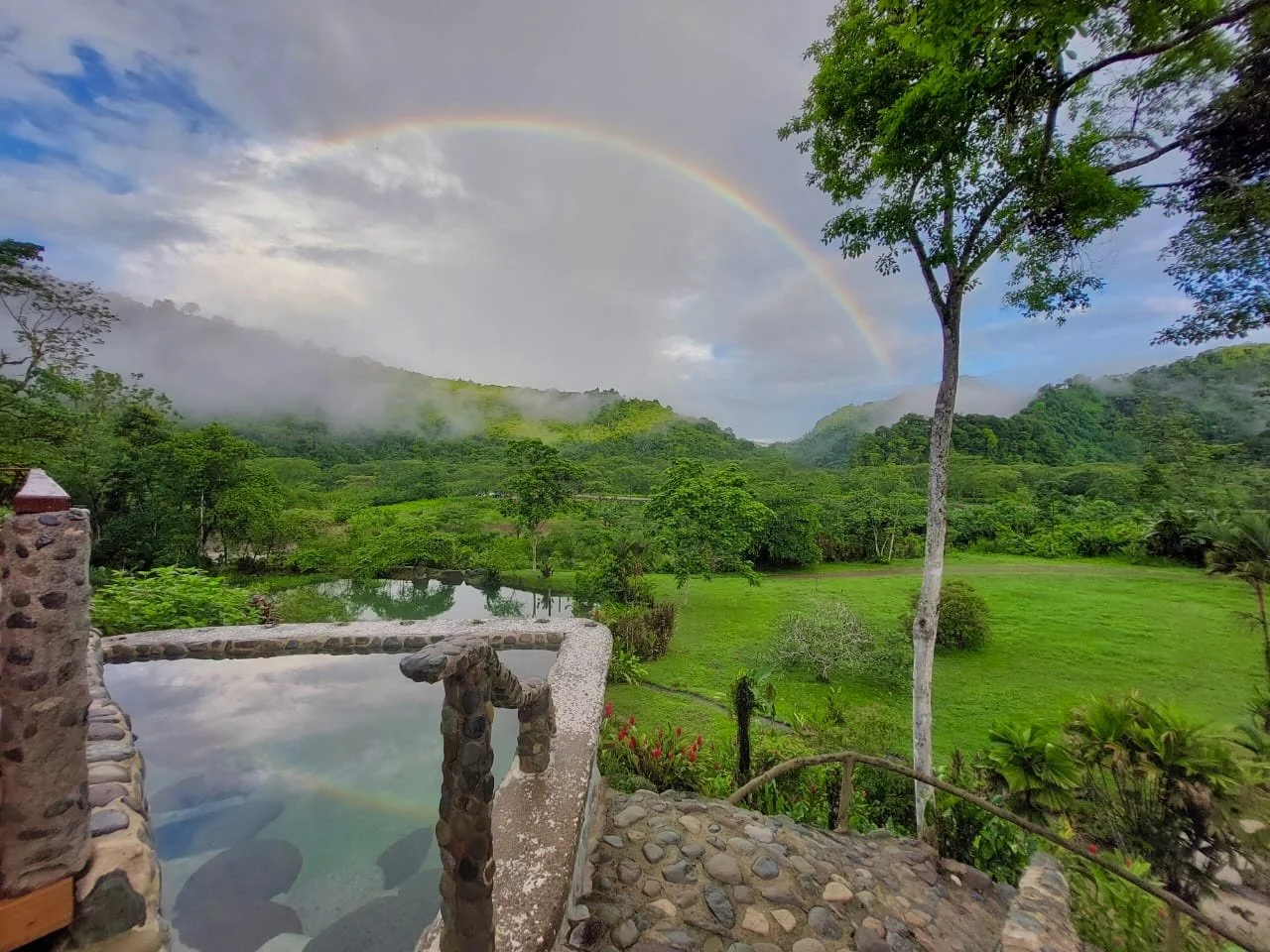
They sleep in elevated safari tents, gather at the open-air lodge, share meals, swim in the Savegre River, and move between focused field learning and simple daily joy.
The comfort is real — and it exists to support depth, not distract from it.
❋ Safari Tent LivingElevated South African-style tents on hardwood platforms, each with a private bathroom, porch and forest view. Comfortable, light on the land, and open to the sounds of the reserve.
The open-air lodge is the heart of daily life — meals, gathering, planning, and return from the field. Food locally sourced, and is grounding, social, and part of the rhythm of the day.
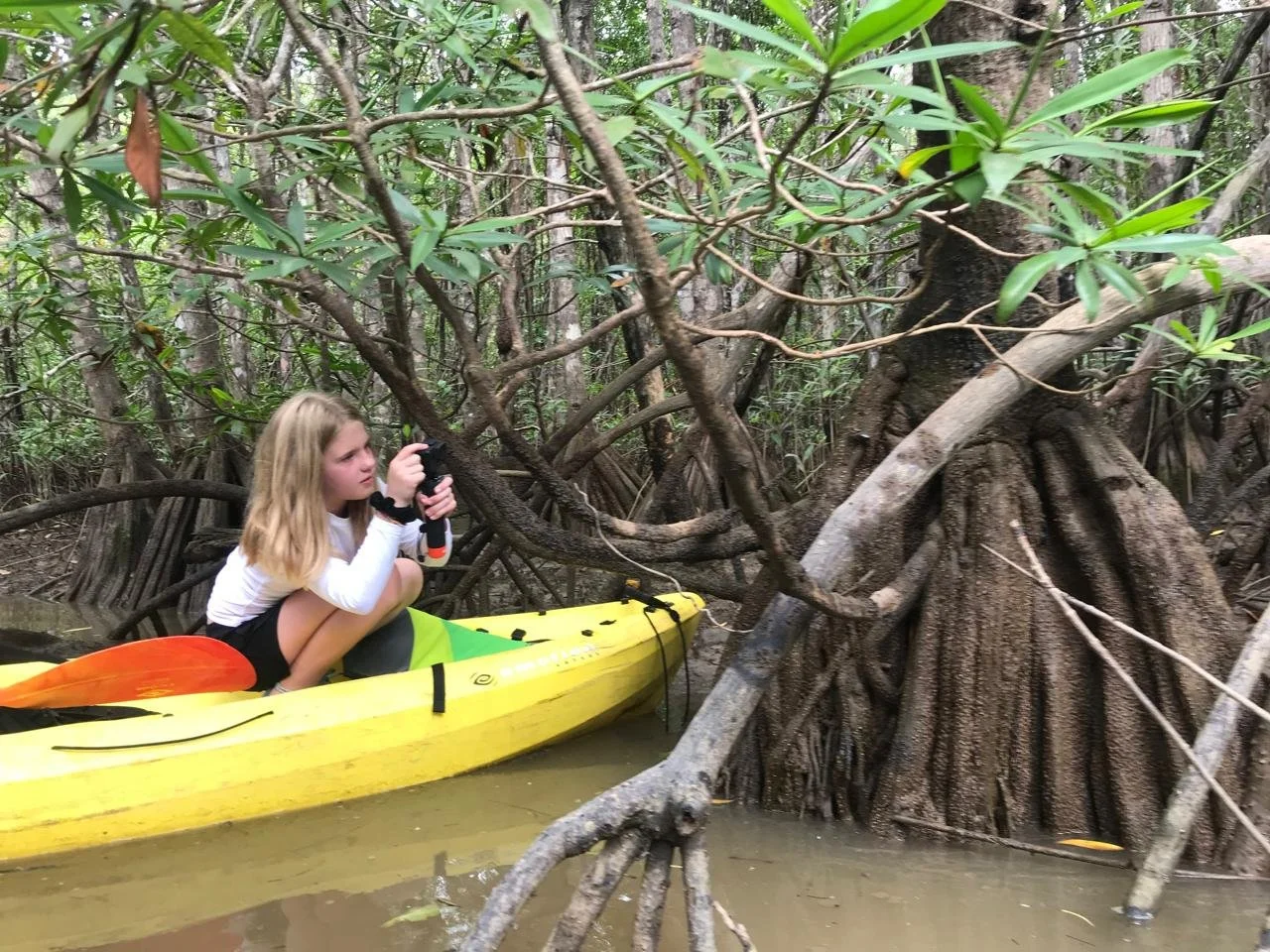
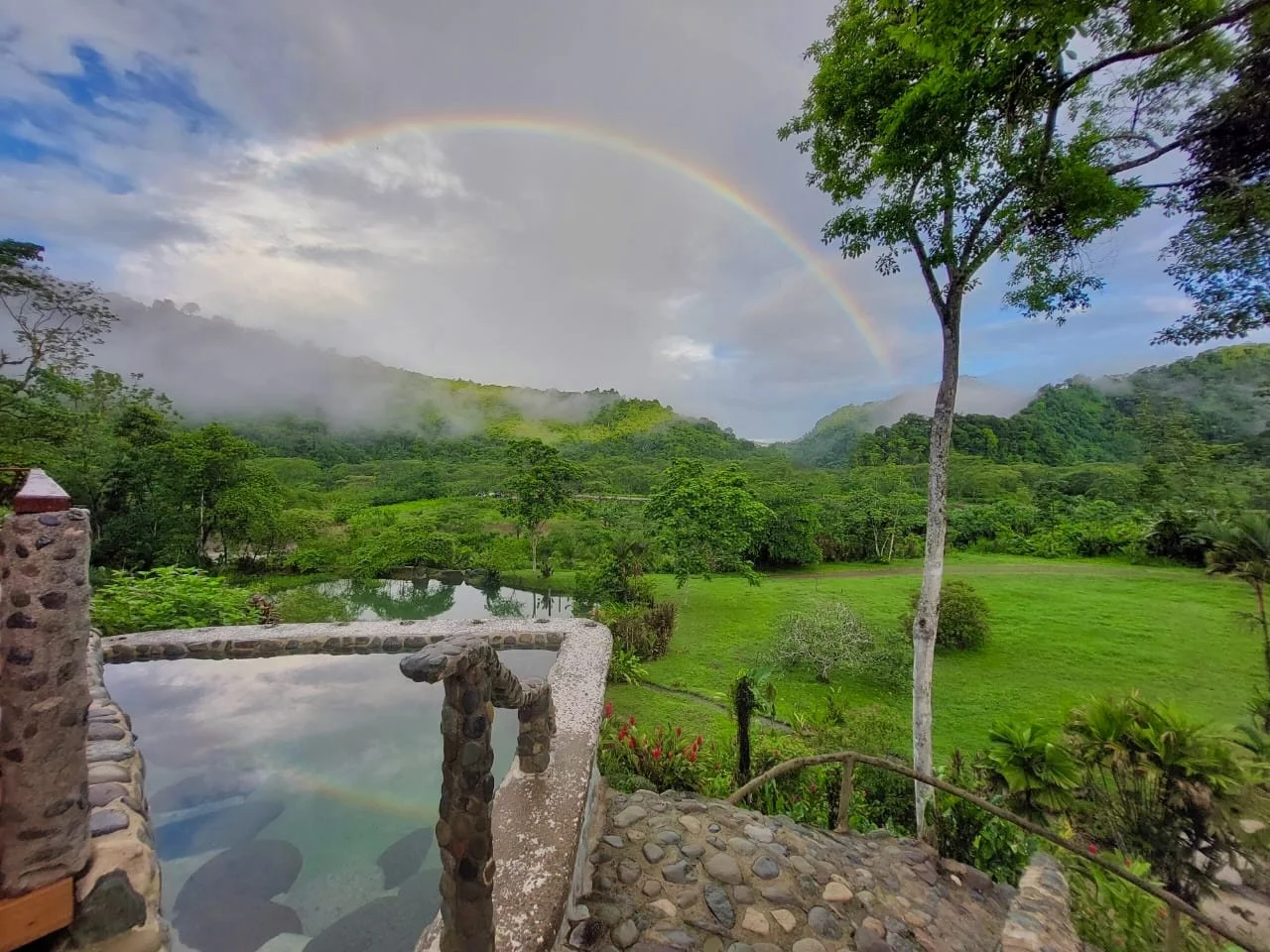
❋ Lodge & Shared MealsSwim in one of Central America’s cleanest rivers. Ride the waterslide into the freshwater pool. Raft the mighty Savegre and bathe in waterfalls. Sit in the solar-supported hot tub under the canopy at dusk.❋ River Life Day trips and optional overnights at Rafiki Beach Camp connect the mountain watershed to mangrove and coastal systems — completing the ecological picture. Kayaking in the mangroves, sea turtle conservation and beach life.
❋ Beach Camp Connection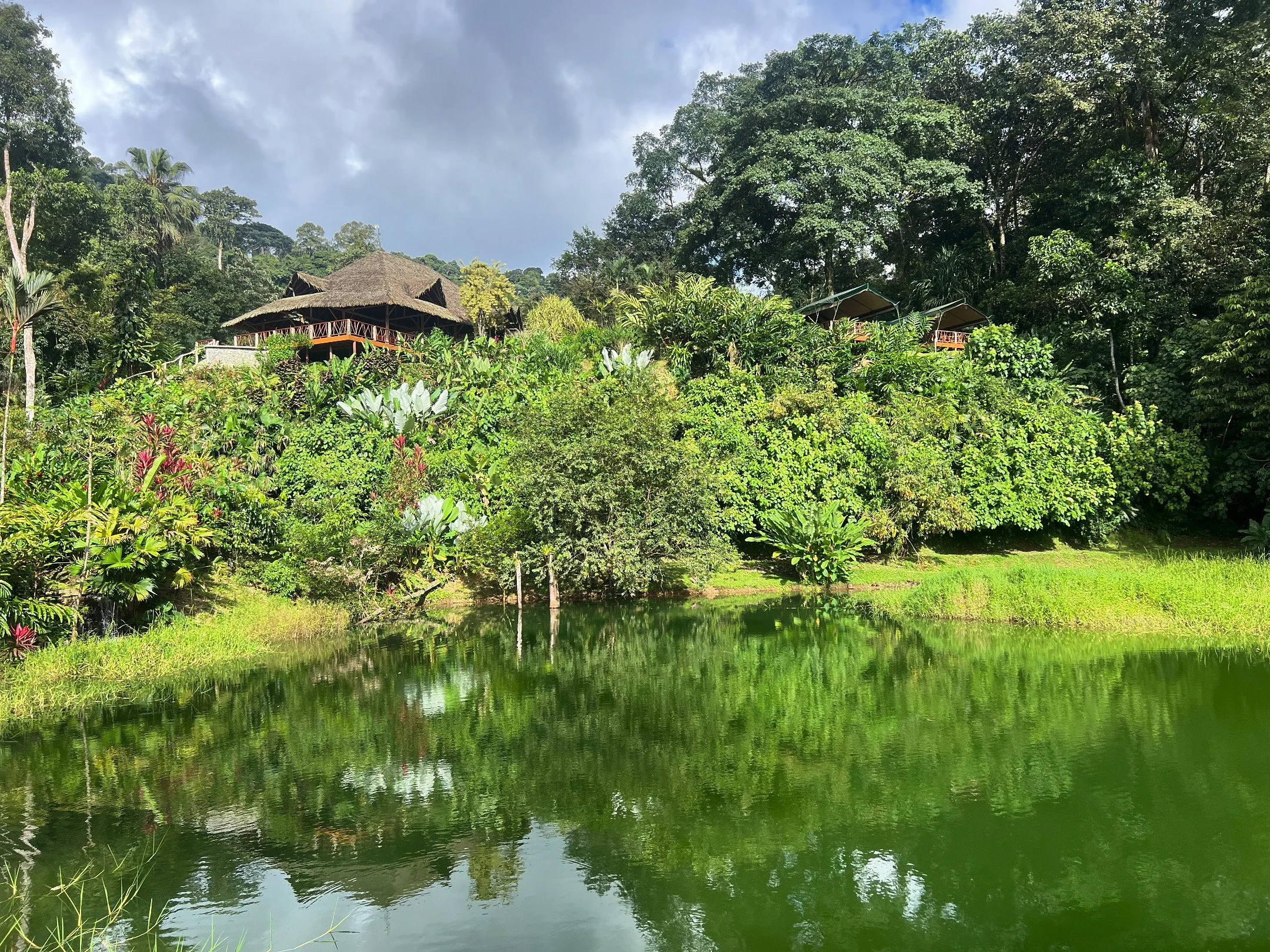
Reaching Rafiki is part of the journey.Getting Here
Travel to Costa Rica from the United States takes approximately 4 hours by airplane.
USA passports do not need a visa and are allowed to visit for 90 days.
Most groups fly into San José International Airport (SJO), with easy connections from across the United States. From there, the transfer south toward the Central Pacific coast takes you out of the city and into a different rhythm of land and light.
The drive continues past the bustle near Manuel Antonio and into the quieter Savegre Valley, where the reserve sits.
Along the way, groups often stop at a local coffee shop or roadside sodas — a simple pause before arriving at the lodge.
By the time you reach Rafiki, the landscape has already begun to do its work.
Biology, Botany, River & Community
Learning from the Living System
The reserve is a classroom made of forest, water, species, and people.
Students study the Savegre River as a living watershed — one of the cleanest in Central America — and learn how forest cover, soil, and water quality are connected. Field learning includes tropical botany, forest structure, bird life, indicator species, and the ecological relationships that hold this place together.
Community and local knowledge are part of the learning as well. Students are invited to listen carefully, ask thoughtful questions, and understand that ecological knowledge is both scientific and cultural.
This is biology taught through direct relationship with place.
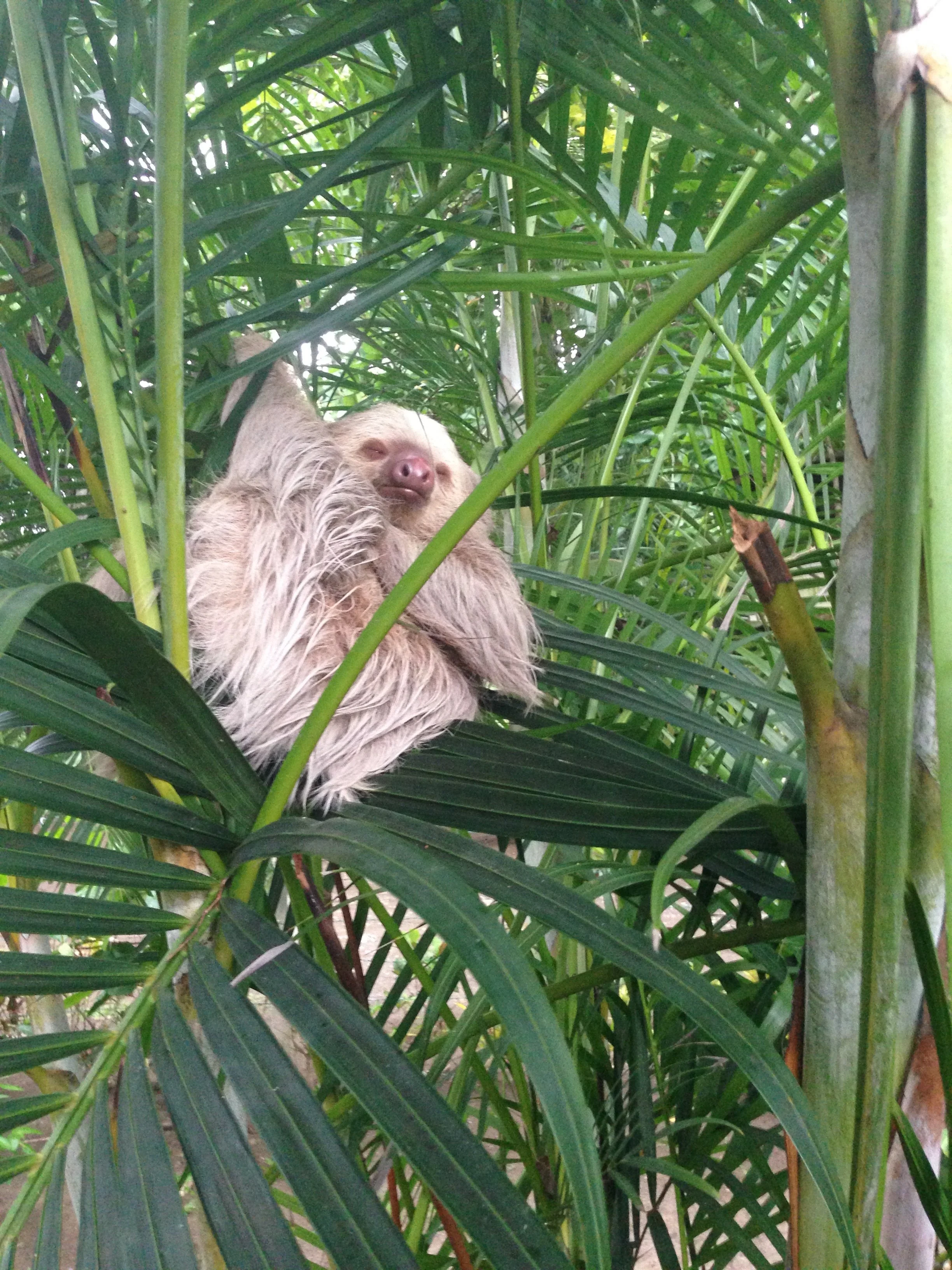
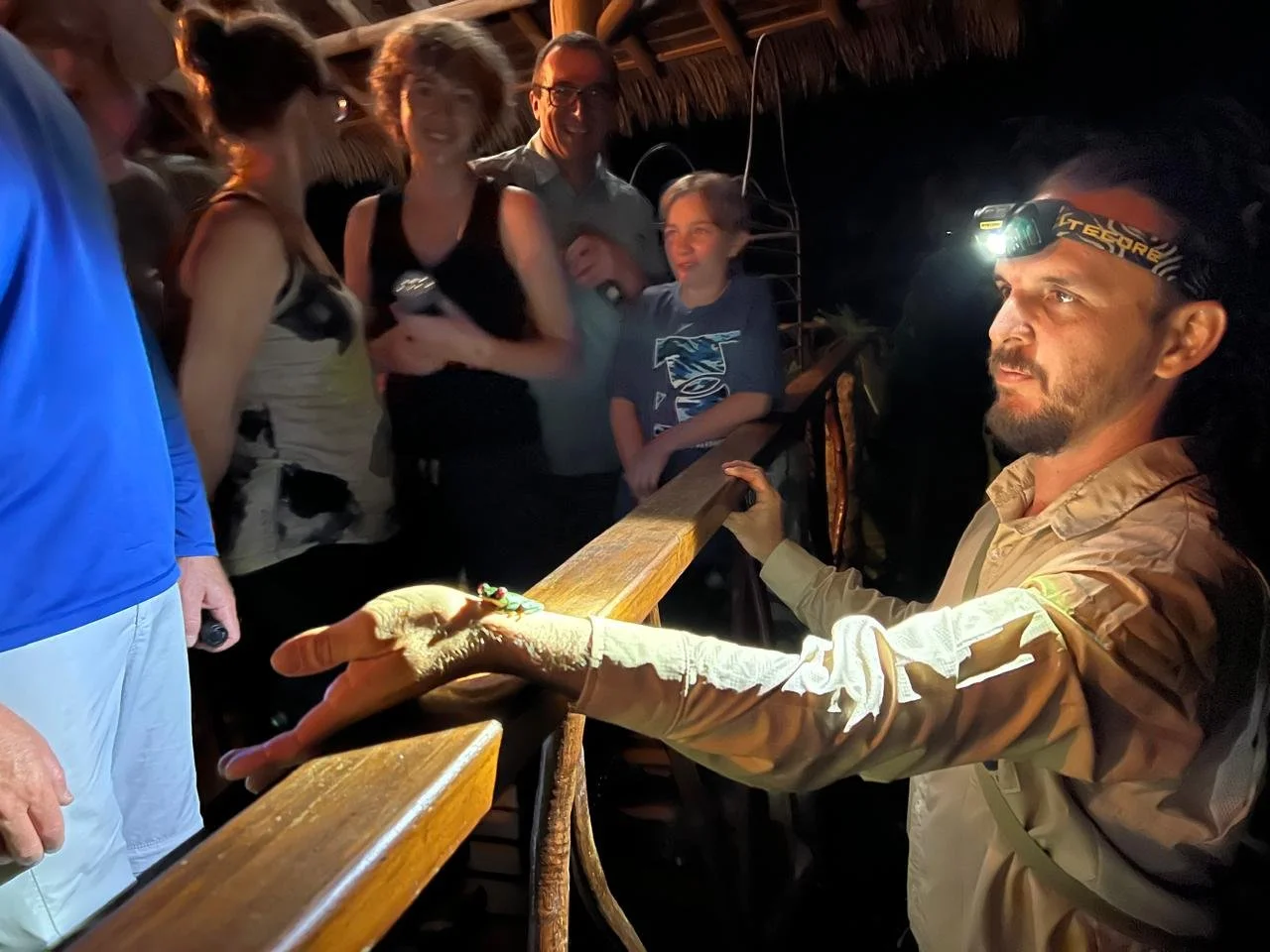
Biodiversity Students learn to read a living system: intact forest structure, a remarkably clean river, rich bird communities, mangrove transition zones, habitat needs of Baird’s Tapir and Scarlet Macaw, and night ecology.
Biodiversity is treated as relationship, not a species list.
Culture & Local Knowledge This landscape carries deep human history, including the ancestral presence of the Quepoa people in the wider region. Learning is informed by respect for local knowledge and by relationships with people who understand this place across generations.
Students are taught to listen carefully and to recognize that ecological understanding is both scientific and cultural.
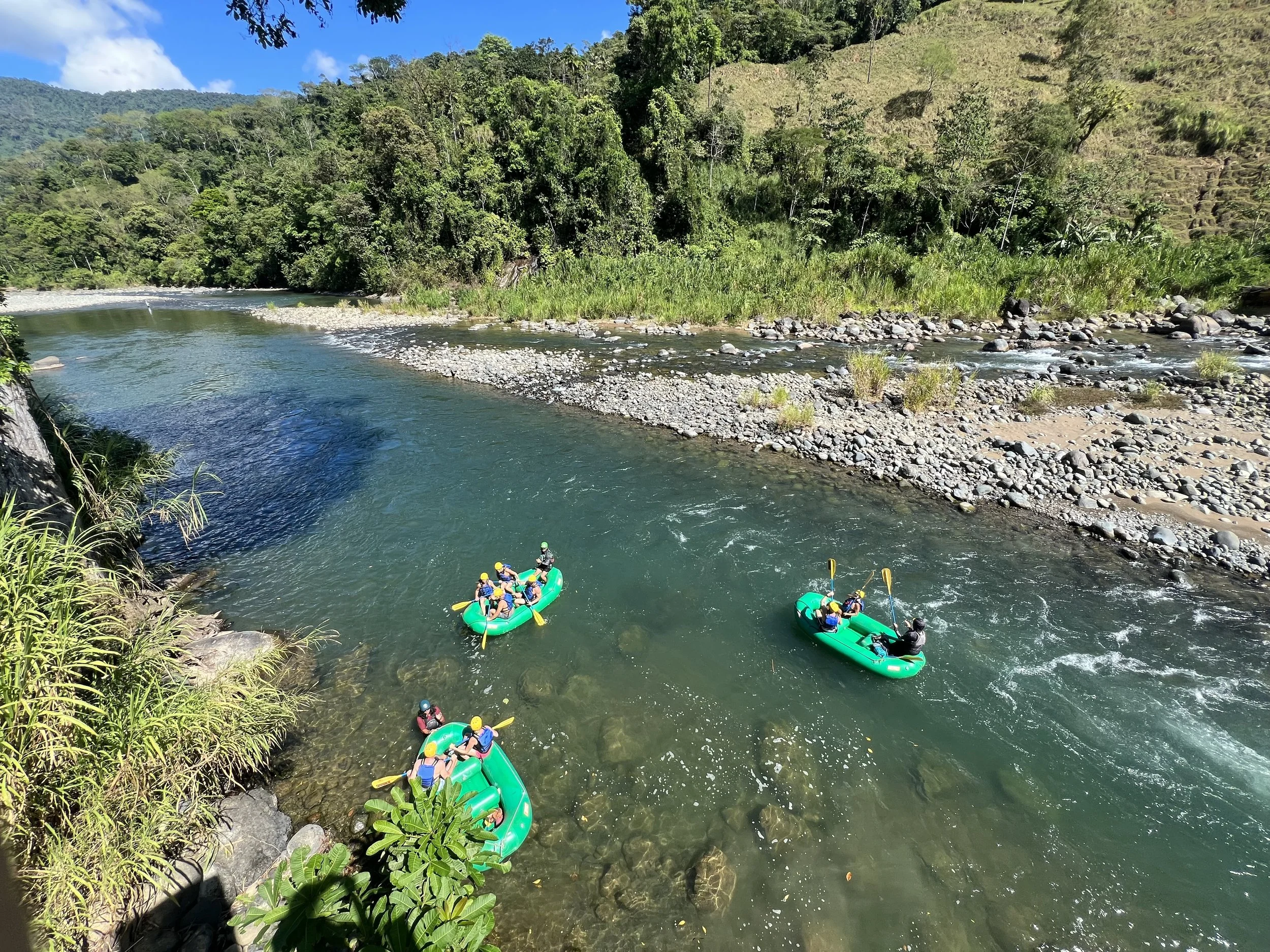
Learning expands beyond the reserve into movement, exploration, and coastal systems.
Days may include rafting, horseback riding, aqua hikes, mangrove kayaking, and time on the land that is both rigorous and joyful.
The Savegre River itself becomes part of daily life — swimming, watching, listening, and playing.
Groups can also connect to Rafiki Beach Camp for day trips or optional overnights, linking the mountain watershed to mangrove and coastal ecosystems.
Surf lessons, beach time, and wider exploration help students understand the full ecological continuum from forest to sea.
Adventure here is not separate from learning. It is one of the ways young people fall into relationship with the living world.
Sustainability
Hydro power from the land’s own water systems.
Solar supporting daily life, including the hot tub.
Elevated, non-permanent tents.
A light footprint.
Long-term care so the land can keep teaching.
Adventure, Beach & A Wider Landscape
From River to Coast